The custom software development process, step by step
Custom software development means designing and building a system around a business’s own workflow instead of adapting a packaged product. In a well-run project, the biggest risk is not technical but a need misunderstood at the start. That is why the process begins before any code is written.
1. Discovery
The first step is understanding how the work runs today. Where is each piece of information kept, where is time lost, which actions affect each other? We talk with users, managers and, where relevant, field teams, and review existing systems and data. The output is a clear list of problems to solve and their priorities.
2. Scope and architecture
Based on discovery, the scope of the first release is set: which modules come first and which can wait. Then the technology and architecture are chosen: web, mobile or both; which database; which systems need integrating. On mobile, this is when we weigh one React Native codebase against native development in Swift and Kotlin. Prototypes and screen drafts validate the scope with users.
3. Iterative development
Development moves in small, usable pieces. Finished modules are released for use and improved with user feedback. This reduces the risk of surprises at the end of one big delivery and keeps priorities current throughout the project.
4. Testing and release
Each module is verified with unit tests and user acceptance tests. Scenarios close to real data are tried out, and any data migrated from existing systems is checked separately. For mobile apps, App Store and Google Play release processes are handled at this stage.
5. Training and ongoing support
Before launch, the teams who will use the system are trained. Post-launch maintenance, updates and support are defined together with the project. Good software keeps evolving with the business after launch.
When is custom software the right choice?
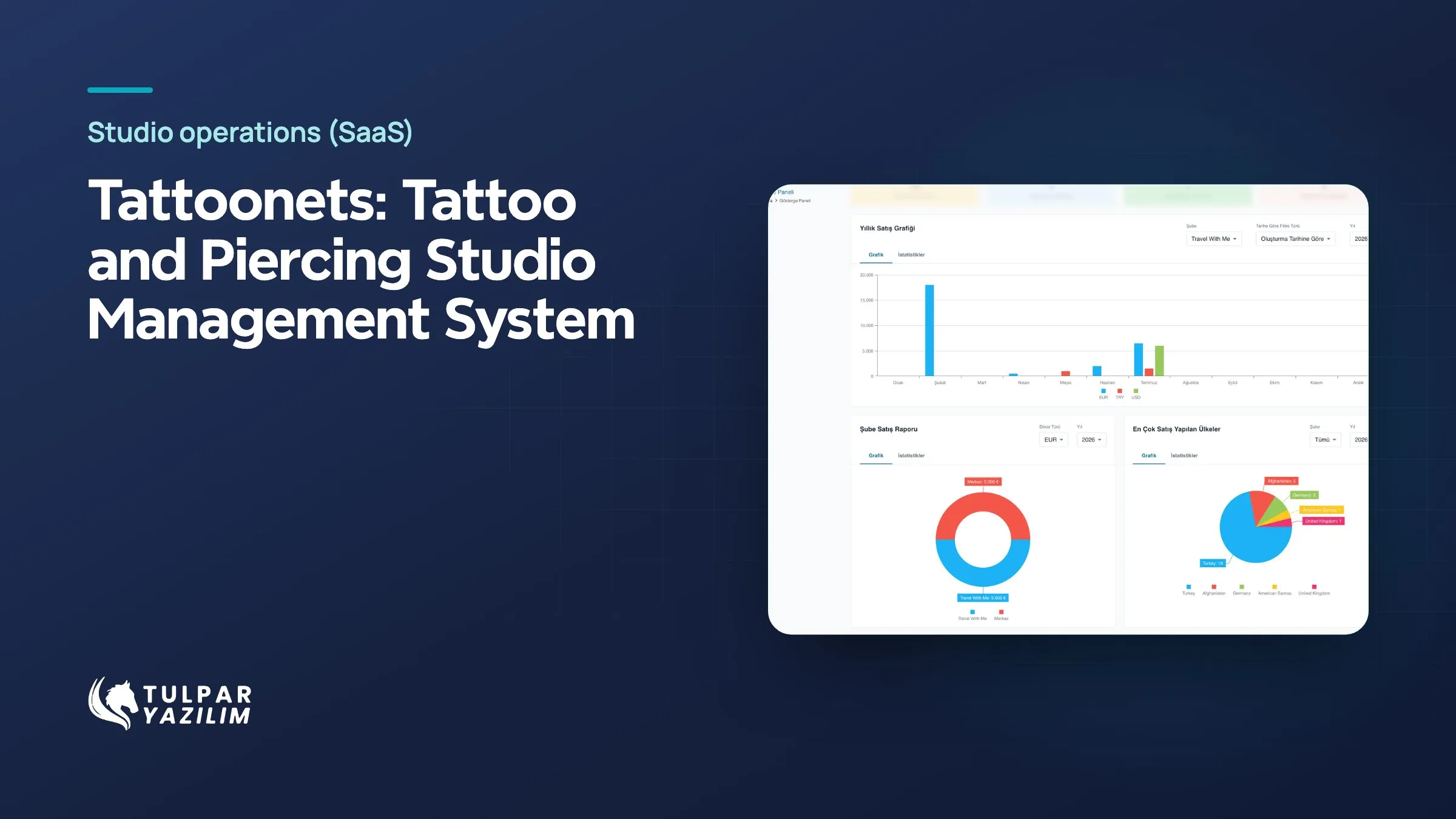
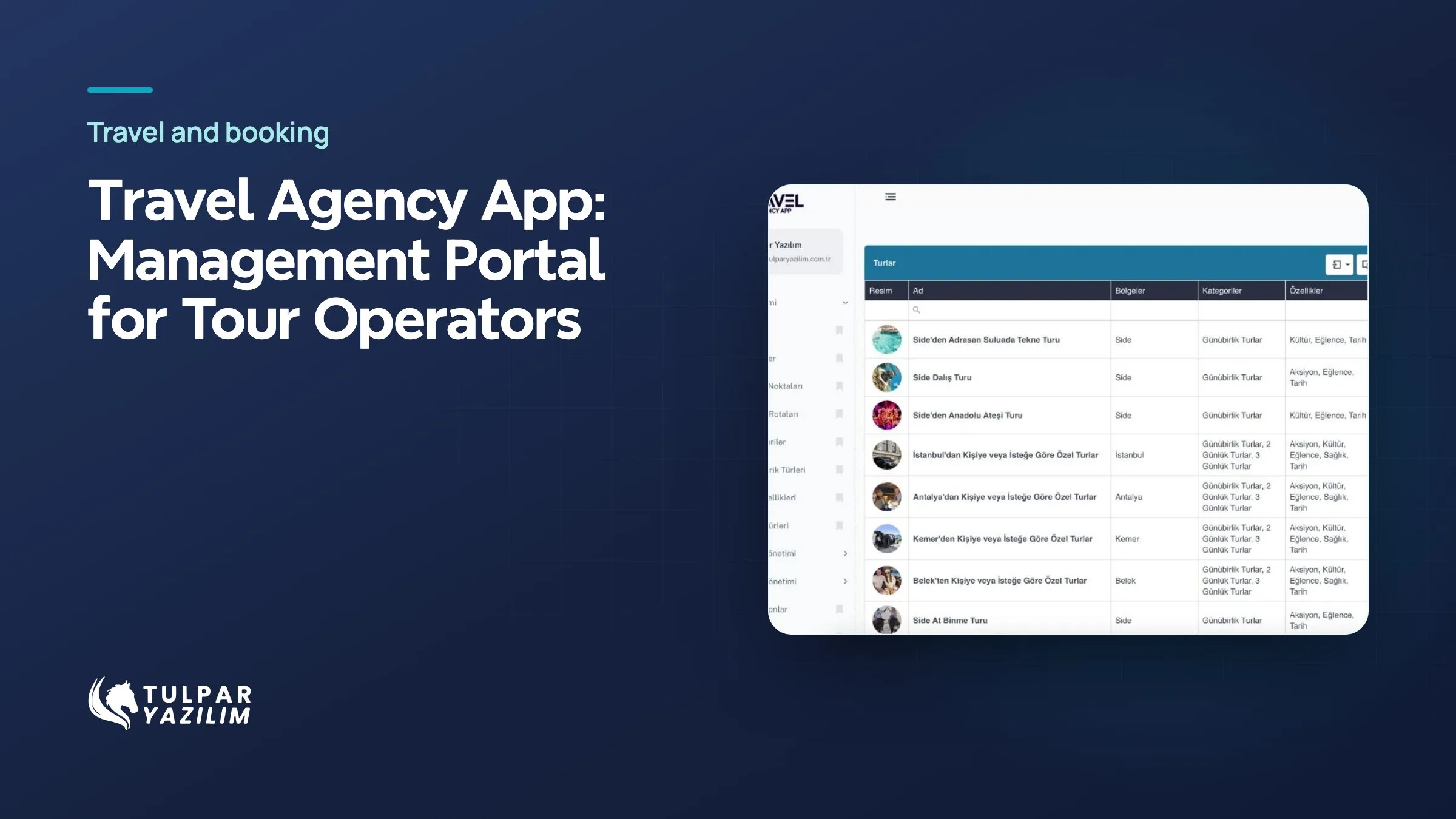
If packaged products do not fit your workflow, if you keep the same information in several systems, or if field teams cannot do their work on mobile, custom software is worth considering. We applied these steps, together with industry-specific needs, in projects such as Tattoonets, Alanyaspor and Travel Agency App.